

Flat & low-slope roofing
Residential Flat, TPO & PVC Roofing in Greater Seattle
GripGo Roofing installs and replaces residential flat and low-slope roofing systems, including TPO and PVC. We inspect the existing roof, drainage, insulation and flashing before recommending a membrane system and providing a written estimate.
- GripGo Warranty
- 10-Yr Workmanship
Transferable, on full roof replacements and gutter installations, subject to the written terms in your agreement. Manufacturer warranties are separate.
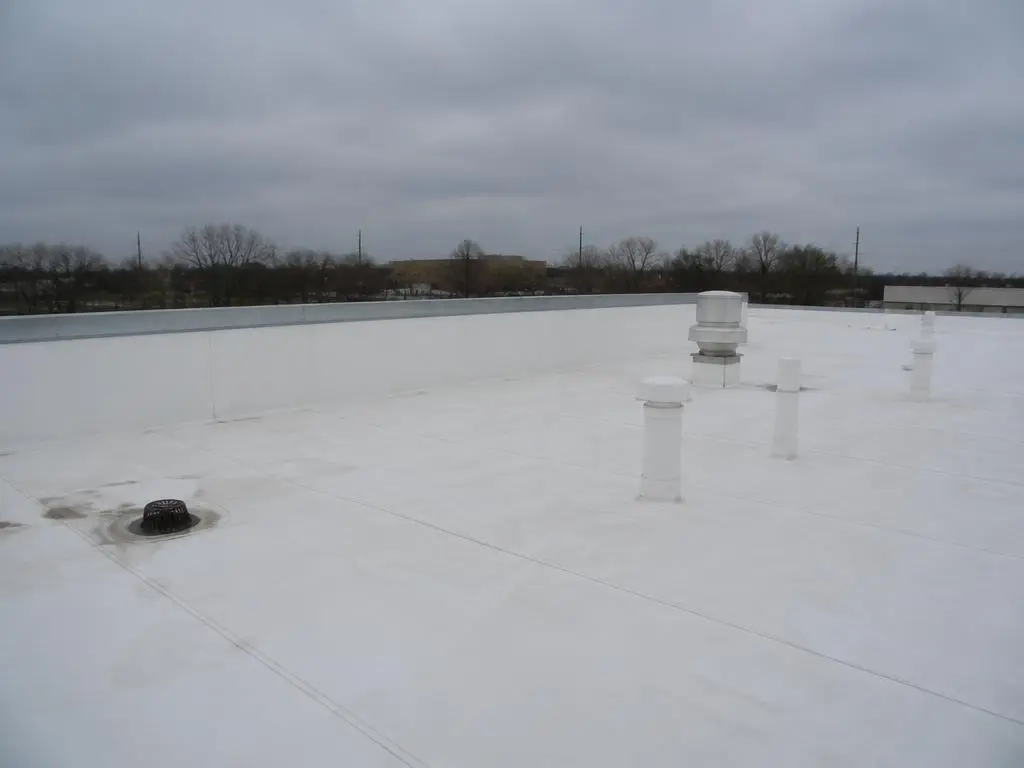
How Flat, TPO & PVC Roofing Works
Flat and low-slope roofs show up on additions, garages, porches, dormers and many modern homes. Because they shed water slowly, they rely on a continuous membrane, good drainage and well-detailed flashing rather than overlapping shingles.
We work with two single-ply thermoplastic membranes on homes: TPO and PVC. Which one suits your roof depends on the existing structure, slope and drainage, what sits on the roof, and the manufacturer's requirements for the specified system. We explain the options and why we recommend one in your written estimate.
Flat roof replacement, explained
Residential Flat and Low-Slope Roof Replacement
Flat roof replacement usually means removing the existing roofing, checking the deck for damage, correcting drainage where needed, and installing a new membrane system with new flashing at walls, edges and penetrations. Low-slope roofing is the same idea on a roof with a slight pitch. The exact steps depend on what we find and the system specified for your home.
TPO Roofing
TPO (thermoplastic polyolefin) roofing is a single-ply membrane whose seams are joined with hot air to form a continuous sheet. The membrane itself can be attached to the roof in different ways, such as mechanical fastening or adhesive, depending on the deck and the manufacturer's specified system, so not every TPO roof is installed the same way.
PVC Roofing
PVC (polyvinyl chloride) roofing is also a heat-welded single-ply membrane. PVC is often considered where a roof may be exposed to certain oils or chemicals, such as near kitchen exhaust, because manufacturers rate its resistance to those exposures. Product properties vary by manufacturer and product line.
TPO Versus PVC: Choosing a Suitable System
Neither membrane is the right choice for every roof. We compare them for your roof based on the manufacturer documentation for the specific products, the roof's exposure, how the membrane will be attached, the details around walls and penetrations, and budget. We put the recommendation and the reasons in writing.
Drainage, Insulation and Flashing
On a flat roof, how water leaves the roof matters as much as the membrane. We look at slope, drains, scuppers and gutters, signs of ponding, and the condition of the insulation and flashing. Where drainage is poor, options can include tapered insulation or added drainage, and we explain what each would involve. We do not promise a roof will never hold water.
Flat Roof Repairs and Maintenance
Not every flat roof needs replacing. Isolated problems at seams, flashing or penetrations can sometimes be repaired. Keeping drains and scuppers clear helps any flat roof.
What Affects Flat Roof Replacement Cost
Roof area, removal of existing layers, deck repairs, insulation and any tapered slope design, the membrane and attachment method, the number of penetrations and wall transitions, access, and drainage work. Your written estimate lists the specified scope. Our cost guide covers pitched roofs; flat roof pricing is quoted after an inspection.
A Representative Flat Roof Membrane System
This shows the typical parts of a single-ply system. The actual assembly depends on your roof and the specified system; not every roof has every layer.
- TPO or PVC membraneThe waterproof single-ply sheet
- Heat-welded seamsOverlapping sheets joined with hot air
- Perimeter & penetration flashingAt edges, walls, curbs and pipes
- Cover board (where specified)A protective board under the membrane
- Insulation & slope designWhere applicable, including tapered insulation
- Structural deckThe existing roof deck, repaired where needed
Drains, scuppers and overflow provisions are part of the system where applicable.
The honest take
Advantages & Things to Consider
Advantages
- Inspection of drainage, insulation and flashing before recommending a system
- TPO and PVC options explained in plain language
- Seams on both membranes are heat-welded
- Written estimate that sets out the specified assembly
Things to consider
- Drainage problems may need tapered insulation or other changes, which affect cost
- Membranes are not designed as walking surfaces without protection
- Hidden deck damage can change the scope once the old roof is removed
Is a Membrane Roof Right for This Section?
Suitable roofs
Flat and low-slope residential sections where shingles are not appropriate.
What we check first
Deck condition, drainage, insulation, flashing and penetrations.
What may change the scope
Deck damage, ponding that needs slope correction, or extra wall and curb details.
Cost
Quoted after inspection in a written estimate.
What We Inspect on a Flat Roof
Estimates start with an on-site look at your roof or gutters. Attic checks depend on safe access.
Membrane or existing roofing condition
Seams, laps and edges
Perimeter and wall flashing
Curbs, pipes and other penetrations
Drains, scuppers and signs of ponding
Signs of wet insulation or deck damage
Common questions
Questions About Flat, TPO & PVC Roofing
Should I choose TPO or PVC?+
It depends on the roof. We compare the specific products' manufacturer documentation, the roof's exposure, attachment method, details and budget, and explain our recommendation in your written estimate.
Do you install torch-down roofing?+
No. GripGo does not offer torch-down roofing. We can inspect the roof and talk through the flat roof options we do offer, such as TPO and PVC.
Will a new flat roof stop water from pooling?+
Drainage depends on the roof's slope and drains, not just the membrane. Where ponding is an issue, we explain options such as tapered insulation or added drainage and what they would cost.
Is TPO glued down?+
TPO seams are heat-welded. The membrane itself may be mechanically fastened or adhered, depending on the deck and the specified system.
Can you repair my flat roof instead of replacing it?+
Sometimes. Isolated seam, flashing or penetration problems can often be repaired. If the membrane or insulation is widely damaged, replacement may be more practical. We show you photos of what we find.
Related services
Also Worth a Look
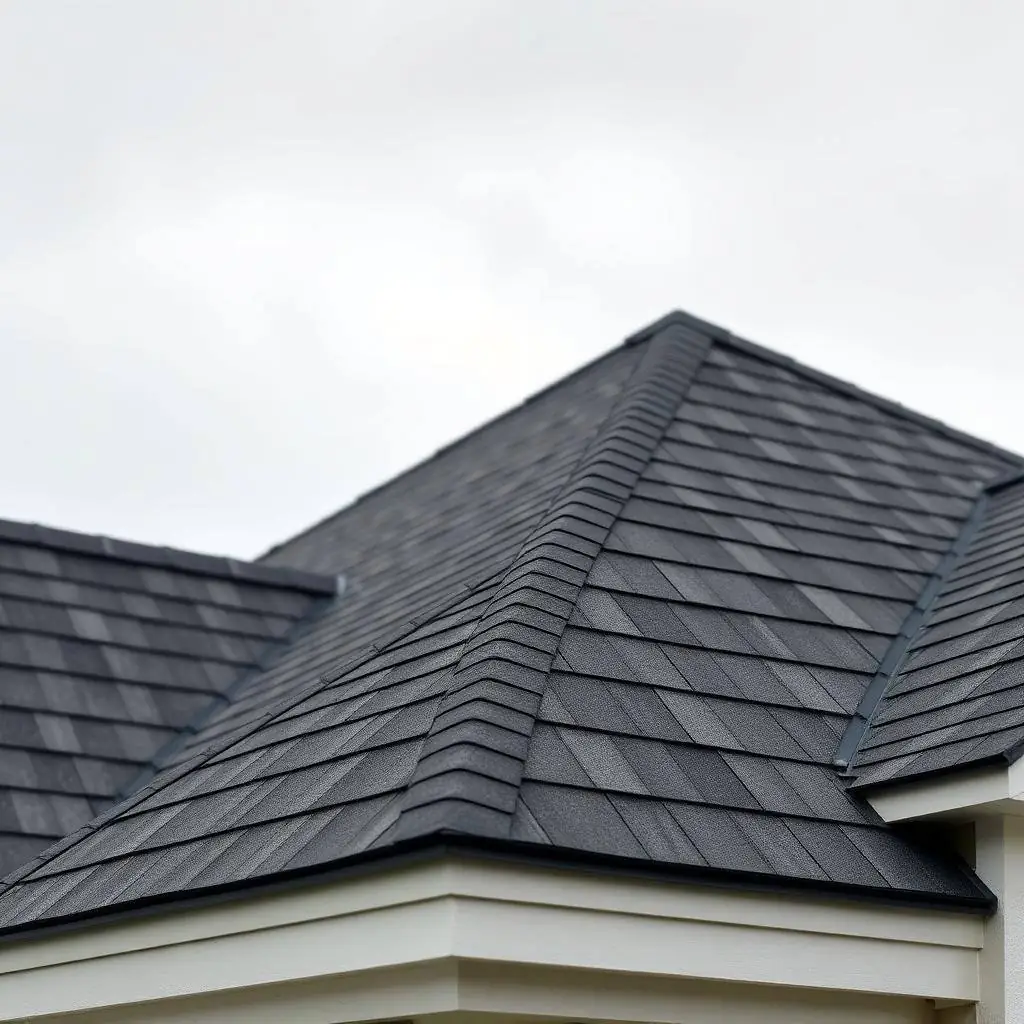
Roof replacement
Full tear-off and a new roof system for homes across King, Snohomish and Pierce counties, with a clear written estimate first.
Learn more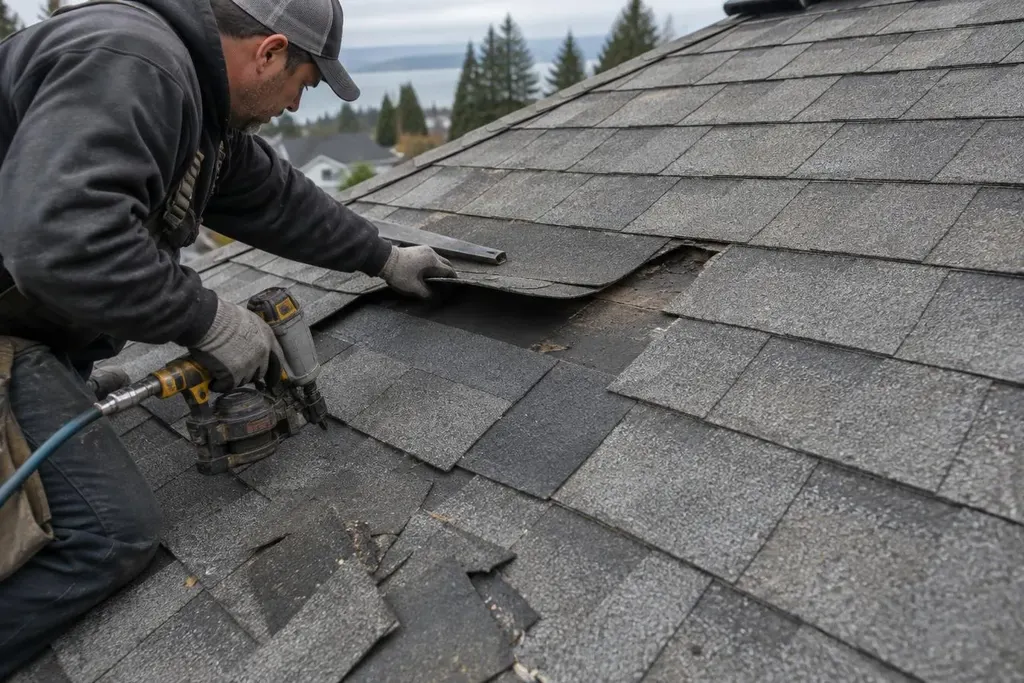
Roof repair & Leak diagnosis
Leak diagnosis and repairs for shingles, pipe boots, chimney and skylight flashing, decking and fascia, plus emergency tarping when weather and access allow.
Learn more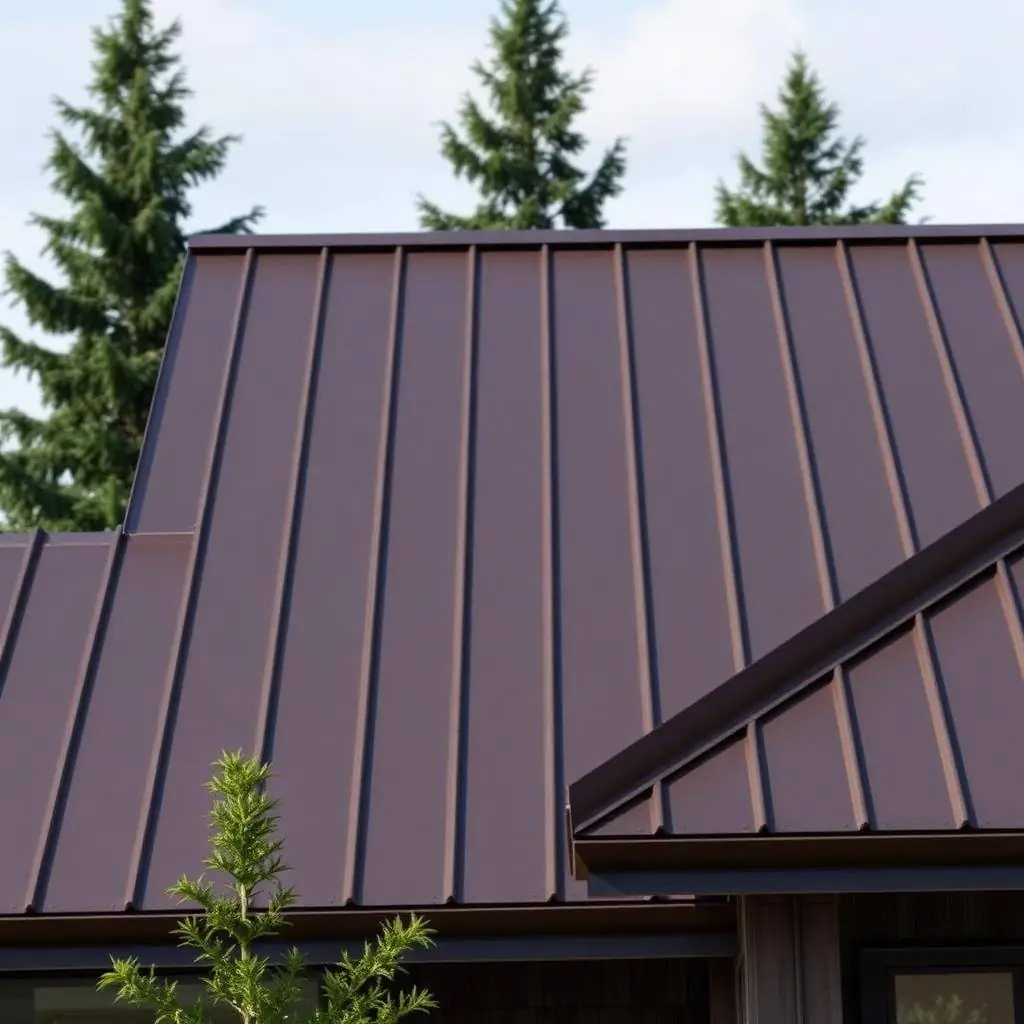
Metal roofing
Residential metal roof installation and replacement, with an inspection first and panel options explained in a written estimate.
Learn moreServing These Cities
Ready When You Are
Tell us what's going on with your roof and we'll set up an inspection and a written estimate.