 Free Quote
Classic Pacific Northwest character
Cedar Shake Roofing
Authentic Western Red Cedar — classic PNW character with proper install.
- Lifespan
- 30 – 40 years (with proper care)
- Range
- $22,000 – $45,000
- Warranty
- Manufacturer + 5-yr GripGo
What it is & how it works
Cedar Shake Roofing in plain English
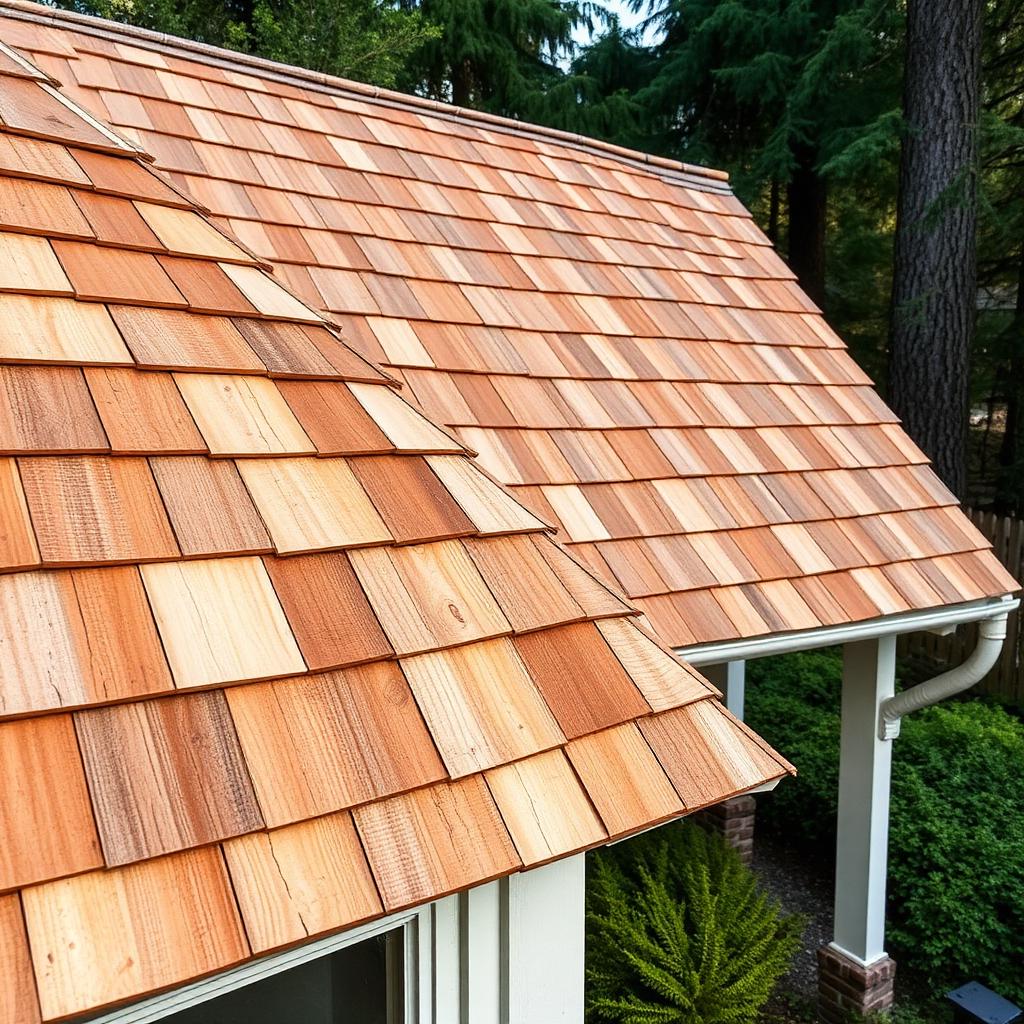
Nothing looks quite like a real cedar shake roof — the natural grain, the warm honey-to-silver weathering, the way it settles into a craftsman or cottage home. We install and restore hand-split and taper-sawn Western Red Cedar with the proper underlayment and ventilation that makes cedar last in our wet climate.
We source #1 Blue Label cedar (the highest grade) and install over a breathable underlayment with cedar breather mesh so air can circulate under each shake — the #1 reason cedar roofs fail early is trapping moisture underneath. We also offer pressure-treated CCA cedar for extra rot and fire resistance, and we can restore existing cedar roofs with cleaning, moss treatment, and selective shake replacement rather than a full tear-off when the underlying wood is still solid.
Understanding your options
Tiers, styles & what's included
Tap any tier to see exactly what's in it, what it costs relative to the others, and who it fits best.
Option 1Hand-Split Cedar Shakes
Hand-Split Cedar Shakes
Split by hand from cedar bolts — the thickest, most textured, most 'authentic' cedar option.
- 3/4" to 1-1/4" thick
- Deeply textured, rustic look
- #1 Blue Label grade (100% edge-grain heartwood)
- Ideal for cabins, craftsman, and mountain homes
Option 2Taper-Sawn Cedar Shakes
Taper-Sawn Cedar Shakes
Sawn on both faces for a cleaner, more refined look than hand-split — a common choice for restored craftsman homes.
- 5/8" thick, uniform taper
- Smoother surface than hand-split
- Elegant on tudor and cottage-style homes
Option 3Cedar Shingles
Cedar Shingles
Thinner and sawn on both sides — a finer, more uniform look than shakes.
- 1/2" butt thickness
- Tighter reveal (5" – 5-1/2")
- Great on turrets, dormers, and steep walls (sidewall applications)
Option 4CCA / Fire-Treated Cedar
CCA / Fire-Treated Cedar
Cedar pressure-treated with copper-based preservatives (rot & fungus) and fire retardants (Class B or Class A).
- Extends lifespan 30 – 40% over untreated
- Class B fire rating (Class A with additional treatment)
- Meets WA WUI (Wildland-Urban Interface) code where required
- Required in most modern insurance policies for cedar
Option 5Cedar Restoration
Cedar Restoration
If your cedar roof is 15 – 25 years old and structurally sound, restoration is often 40-60% cheaper than a full replacement.
- Soft-wash moss & lichen treatment (never power washing)
- Selective shake replacement
- Preservative oil re-treatment
- Zinc strip install to prevent regrowth
Option 6System Details (Every GripGo Cedar Roof)
System Details (Every GripGo Cedar Roof)
Cedar dies from trapped moisture. Our system keeps every shake dry from underneath.
- Cedar Breather mesh underlayment (3D vented mat)
- 18" ice & water shield at eaves and valleys
- Stainless or hot-dipped galvanized ring-shank nails (never electro-galvanized)
- Woven copper or lead valleys (metal, never asphalt)
- Copper or zinc ridge strip to slow moss regrowth
- Balanced ridge/soffit ventilation
The system
Anatomy of a full roof system
A roof is a stack of layers — each one has a job. Here's what goes into every one we build, in plain English.
- Ridge cap & ventLets hot air escape from the attic peak
- Shingles / tiles / shakesThe visible weather layer
- Synthetic underlaymentSecondary water barrier across the whole deck
- Ice & water shieldPeel-and-stick at eaves, valleys, and penetrations
- Roof decking (sheathing)The plywood/OSB nailing surface
- Rafters + soffit intakeStructure and fresh-air inlet that balances the ridge vent
The honest take
Advantages & things to consider
Advantages
- Unmatched natural beauty and curb appeal
- Excellent natural insulation (R-value ~1.0 per inch)
- Handcrafted, no two roofs look alike
- Perfect fit for historic and craftsman architecture
Things to consider
- Requires periodic cleaning and moss treatment
- Higher fire risk unless treated (we always recommend CCA-treated)
- Shorter lifespan than composite or metal
Is this right for your home?
Quick fit check
What GripGo inspects
Free on-site inspection checklist
Every quote starts with a real inspection — not a driveway guess. Here's what we look at before we write a single number down.
Every field shingle, ridge cap, and starter course
Flashing at walls, chimneys, and skylights
Pipe boots and vent penetrations
Ridge vent + soffit intake balance
Attic decking for staining, sag, or moisture
Gutter seams, hangers, and downspout flow
Common questions
What Seattle homeowners ask us about cedar shake roofing
How long will a real cedar roof last in Seattle?+
With CCA treatment, Cedar Breather underlayment, and periodic maintenance (soft-wash every 5 – 7 years), 30 – 40 years is realistic. Without those, 15 – 20 years is common. It's all about the install and upkeep.
Is cedar a fire risk?+
Untreated cedar is Class C (the lowest rating). CCA fire-treated cedar earns Class B, and with additional treatment can reach Class A. We only install treated cedar, and in WUI zones we're required to. Your insurance carrier will thank you.
Will insurance cover a cedar roof?+
Most WA insurers still cover cedar but require Class B fire treatment and may charge a small premium. A few carriers won't insure any wood roof — we can tell you which materials are 'insurance friendly' before you commit.
Can I have cedar without the moss problem?+
Yes — the trick is airflow underneath (Cedar Breather) and a copper or zinc strip at the ridge. Every rainfall washes trace metal down the slope and moss can't establish. The old-fashioned 'ammonia and bleach' washes damage the wood — we don't use them.
Related services
Also worth a look
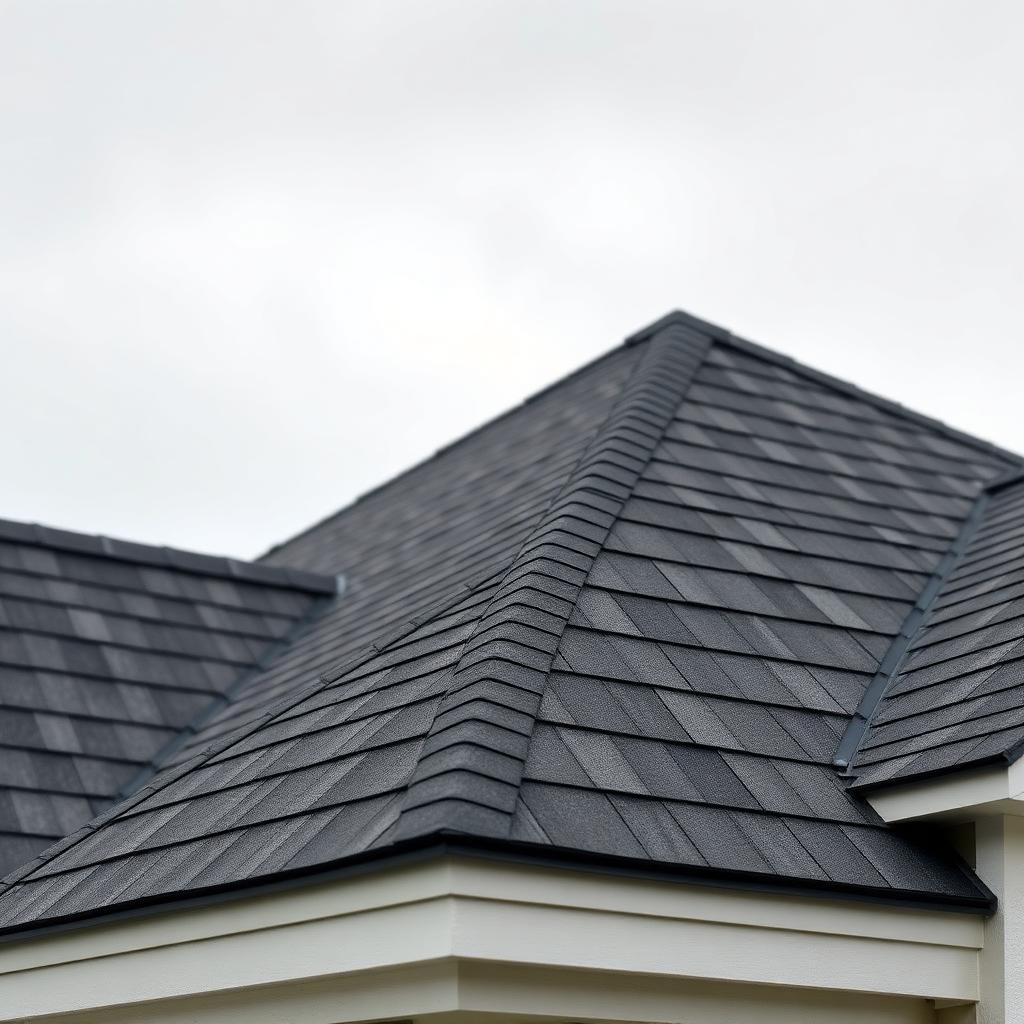
Asphalt Shingle Roofing
The Pacific Northwest workhorse — affordable, proven, 30+ year lifespan.
Learn more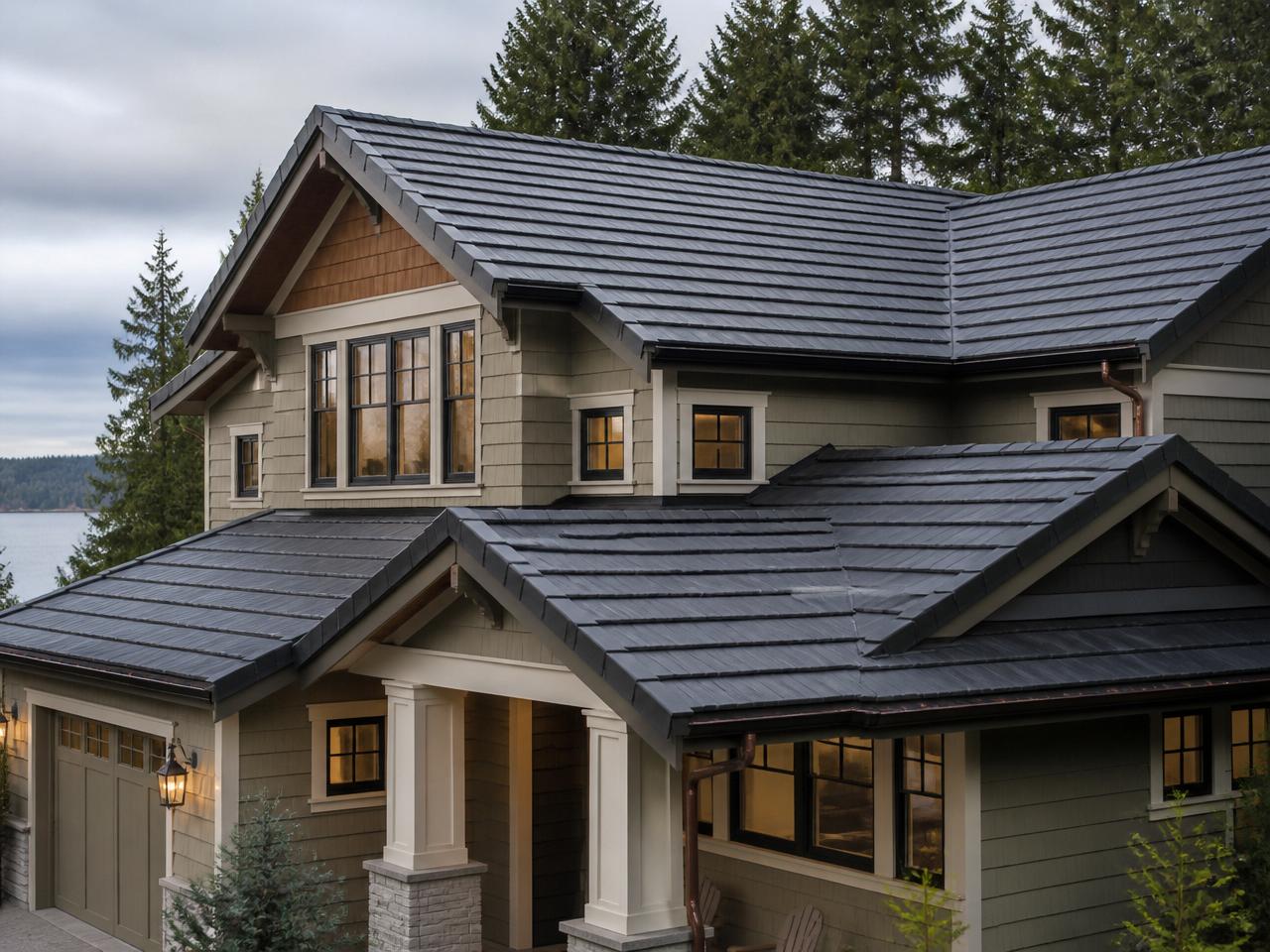
Composite / Synthetic Roofing
The look of slate or cedar — engineered to outlast both, with 50-year warranties.
Learn more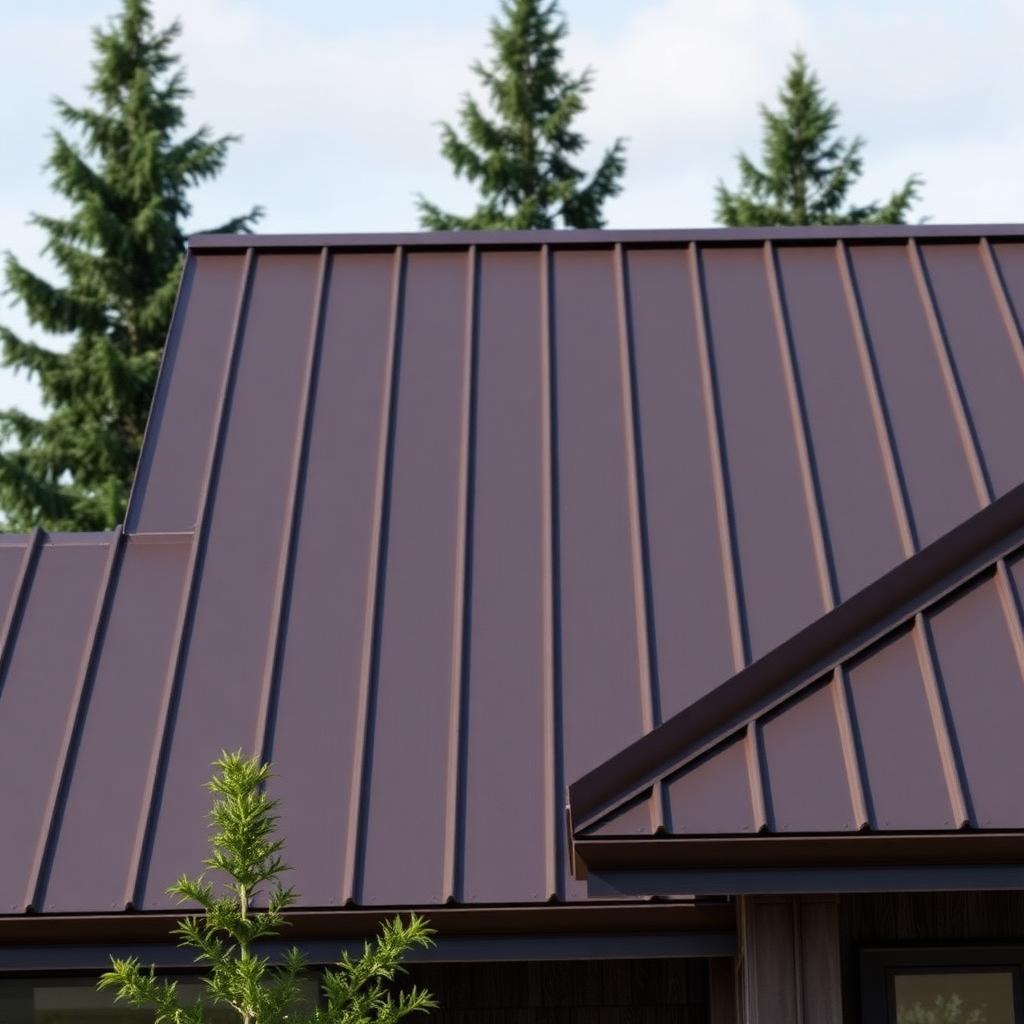
Metal Roofing
Standing seam and metal shingle — 40 to 70+ year lifespan, energy-efficient.
Learn moreReady when you are
Free inspection, honest recommendation, no pressure. That's how we've done it since day one.