 Free Quote
The workhorse of modern low-slope roofing
TPO Roofing
Heat-welded single-ply membrane — the go-to for modern low-slope roofs.
- Lifespan
- 20 – 30 years
- Range
- $8 – $14 per sq ft installed
- Warranty
- Manufacturer + 5-yr GripGo
What it is & how it works
TPO Roofing in plain English
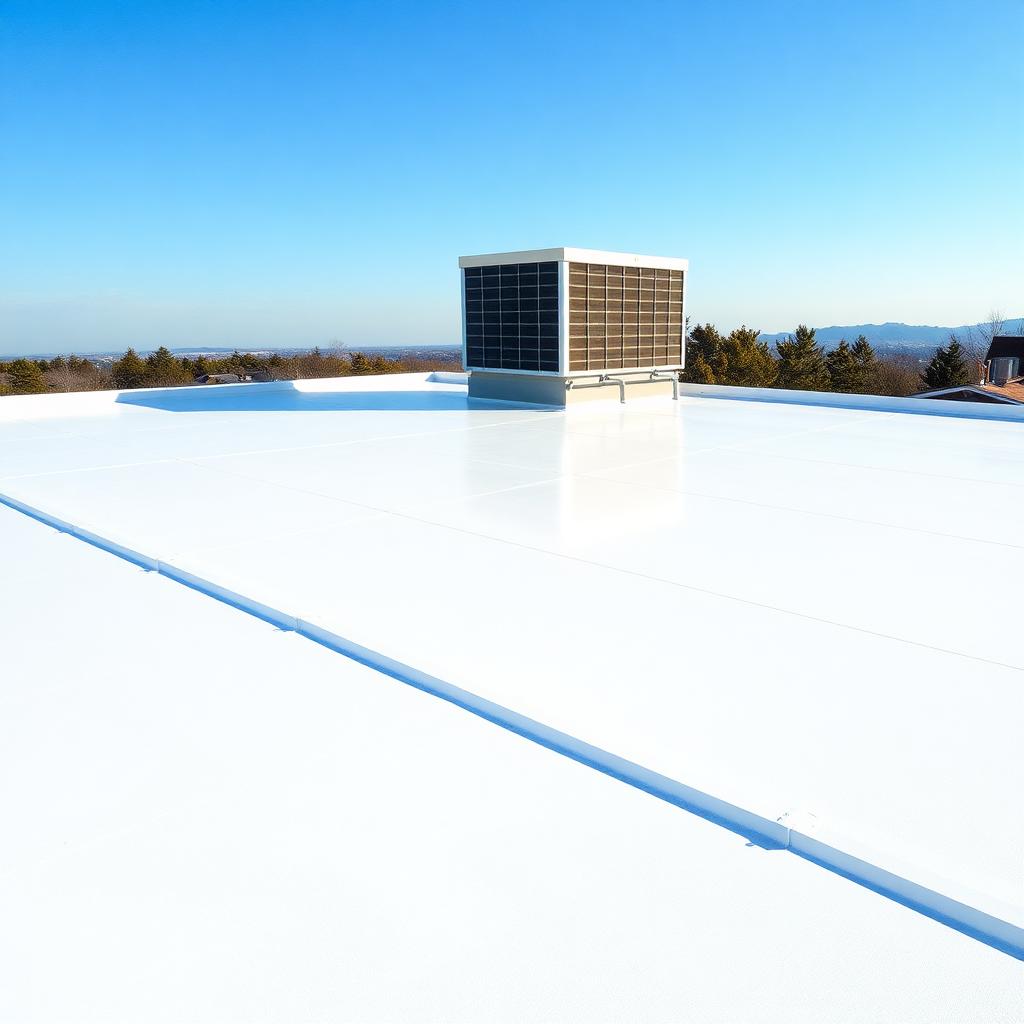
TPO (thermoplastic polyolefin) is a single-ply roofing membrane that's become the standard for low-slope residential and light-commercial roofs. Bright white, heat-welded at every seam, and reflective enough to slash summer cooling costs — it's what we install on flat roofs, dormers, additions, and detached garages across the Seattle area.
A TPO roof is a sheet of thermoplastic polyolefin membrane laid over rigid insulation and heat-welded along every seam with a hot-air robot welder. The result is one continuous waterproof surface — no adhesives, no sealants, no seams that can peel apart with age. We install .060 gauge (60 mil) membrane as our standard, upgrading to .080 for high-traffic or commercial roofs. Tapered polyiso insulation is engineered under the membrane to eliminate ponding water — the single biggest killer of low-slope roofs. Every penetration (vents, drains, curbs) gets pre-fabricated flashing and a hand-welded target patch. Edges are terminated with painted coping cap or drip metal, and every finished seam is probe-tested before we call the roof done.
Understanding your options
Tiers, styles & what's included
Tap any tier to see exactly what's in it, what it costs relative to the others, and who it fits best.
Option 1What TPO Membrane Actually Is
What TPO Membrane Actually Is
TPO is a blend of polypropylene and ethylene-propylene rubber, reinforced with a polyester scrim for tear strength. It's flexible enough to handle building movement and thermal cycling without cracking.
- Single-ply thermoplastic membrane, 45 to 80 mil thick
- Reinforced with woven polyester scrim for puncture and tear resistance
- UV-stable formulation — won't yellow or chalk like older membranes
- Recyclable at end of life
Option 2Heat-Welded Seams
Heat-Welded Seams
Every overlap is welded with a hot-air robot at 900 – 1100°F, fusing the two sheets into one. No caulk, no adhesive, no seam tape — the seam is stronger than the membrane itself.
- Robotic welder maintains consistent temperature and speed
- Every seam probe-tested for continuous bond
- T-joints and details hand-welded by a certified installer
- Seams don't degrade with age the way adhesive seams do
Option 3Insulation Systems Underneath
Insulation Systems Underneath
The membrane is only half of a TPO roof. Rigid insulation below sets the drainage slope and the R-value.
- Tapered polyiso engineered to 1/4" per foot minimum slope
- R-25 to R-38 typical (per WA energy code)
- Cover board (DensDeck or high-density polyiso) protects the membrane
- Mechanically fastened or fully adhered depending on wind zone
Option 4Reflective Cool-Roof Surface
Reflective Cool-Roof Surface
The bright white top layer reflects roughly 85% of incoming solar radiation. On a flat roof that would otherwise bake all summer, that translates to real cooling savings and longer membrane life.
- ENERGY STAR and CRRC-rated cool roof
- Cuts rooftop temperature 50 – 70°F on a hot day
- Reduces HVAC load and extends membrane lifespan
- Tan and gray colors available where reflectivity isn't required
Option 5Residential and Light-Commercial Uses
Residential and Light-Commercial Uses
TPO is the go-to for any low-slope area on a home, and for most small commercial roofs.
- Modern flat-roof homes and additions
- Dormers and low-slope tie-ins on pitched roofs
- Detached garages, ADUs, and shed roofs
- Small commercial: offices, warehouses, retail
- Rooftop deck substrates (with foot-traffic pads)
Option 6Drainage Requirements
Drainage Requirements
Ponding water is what kills flat roofs — including TPO. We engineer positive drainage into every install.
- 1/4" per foot minimum slope built into tapered insulation
- Interior drains with clamping rings and flashed sumps
- Scupper and overflow drainage where required by code
- Downspout tie-ins sized for peak Seattle rainfall
Option 7Maintenance & Care
Maintenance & Care
TPO is one of the lowest-maintenance roof types you can own — but it isn't zero-maintenance.
- Annual visual inspection (we offer this as a maintenance plan)
- Clear leaves and debris from drains twice a year
- Repair punctures promptly with a welded patch
- Avoid solvent-based cleaners on the membrane
Option 8Manufacturer Examples
Manufacturer Examples
Availability and warranty length vary by distributor and roof size. We're happy to quote whichever spec fits your project.
- GAF EverGuard TPO
- Carlisle Sure-Weld TPO
- Johns Manville JM TPO
- Firestone UltraPly TPO
- Mule-Hide TPO
Option 9System Details (Every GripGo TPO Roof)
System Details (Every GripGo TPO Roof)
Our standard TPO build removes the common failure points we see on other crews' work.
- Full tear-off and deck inspection before install
- .060 gauge membrane standard, .080 upgrade available
- Tapered polyiso with cover board — no ponding water
- Every seam robot-welded and probe-tested
- Pre-fab pipe boots and hand-welded penetration flashings
- Painted coping cap and drip metal color-matched to trim
- Written manufacturer warranty + our 5-year workmanship warranty
The system
Anatomy of a low-slope roof
A roof is a stack of layers — each one has a job. Here's what goes into every one we build, in plain English.
- TPO / PVC / EPDM membraneThe waterproof top sheet — heat-welded or seam-taped
- Cover boardProtects the membrane from foot traffic and hail
- Rigid insulation (ISO)R-value + slopes water toward drains
- Vapor barrier (as needed)Blocks interior moisture from reaching insulation
- Roof deckStructural surface (plywood, metal, or concrete)
The honest take
Advantages & things to consider
Advantages
- Heat-welded seams create one monolithic waterproof surface
- Bright white surface reflects up to 85% of solar heat (ENERGY STAR rated)
- 20 – 25 year manufacturer warranties standard, 30 available
- Class A fire rating, wind uplift rated to 120+ mph
- Lower material cost than PVC with similar performance for most roofs
- Deck-ready — can accept pedestal pavers or planters
Things to consider
- Punctures from dropped tools or fallen branches need prompt repair
- Requires trained crew with a proper hot-air welder — bad welds fail early
- Less chemical-resistant than PVC (avoid where grease or oils are present)
- White surface shows dirt (mostly cosmetic — doesn't affect performance)
Is this right for your home?
Quick fit check
What GripGo inspects
Free on-site inspection checklist
Every quote starts with a real inspection — not a driveway guess. Here's what we look at before we write a single number down.
Membrane seams and heat-welded laps
Perimeter and edge flashing
Curbs, penetrations, and pipe boots
Drains, scuppers, and overflow paths
Ponding areas and slope-to-drain
Insulation moisture (infrared where needed)
Common questions
What Seattle homeowners ask us about tpo roofing
What is TPO roofing, in plain terms?+
TPO is a big sheet of flexible white plastic-rubber membrane, rolled out over insulation on a flat roof and heat-welded along every seam so the whole roof becomes one continuous waterproof surface. It replaced older tar-and-gravel and hot-mopped roofs on most low-slope buildings.
How long does a TPO roof last in Seattle?+
With a proper install (60 mil membrane, real slope built into the insulation, drains that actually drain), 20 – 25 years is realistic. Upgrade to 80 mil membrane and you can push 30 years. The install is what determines lifespan more than the material.
TPO vs PVC — which should I choose?+
TPO handles 90% of Seattle low-slope roofs beautifully at a lower cost. Choose PVC if you have grease or oil exposure (restaurant kitchen exhaust), a rooftop deck with planters, or you want the longest single-ply warranty available.
Is TPO good for residential roofs?+
Yes — TPO is one of the best options for any flat or low-slope residential roof. It's what we install on modern flat-roof homes, dormers, and additions across Seattle.
What happens if a branch punctures my TPO roof?+
A puncture is a quick repair — we clean the area, weld on a matching TPO patch, and probe-test the seam. Small punctures caught early are typically a same-day fix; the warranty stays intact.
Do I need to worry about ponding water?+
Only if the roof was installed without proper slope. Every GripGo TPO roof is built with 1/4" per foot minimum slope engineered into the tapered insulation, so water moves to the drains instead of sitting on the membrane.
Related services
Also worth a look
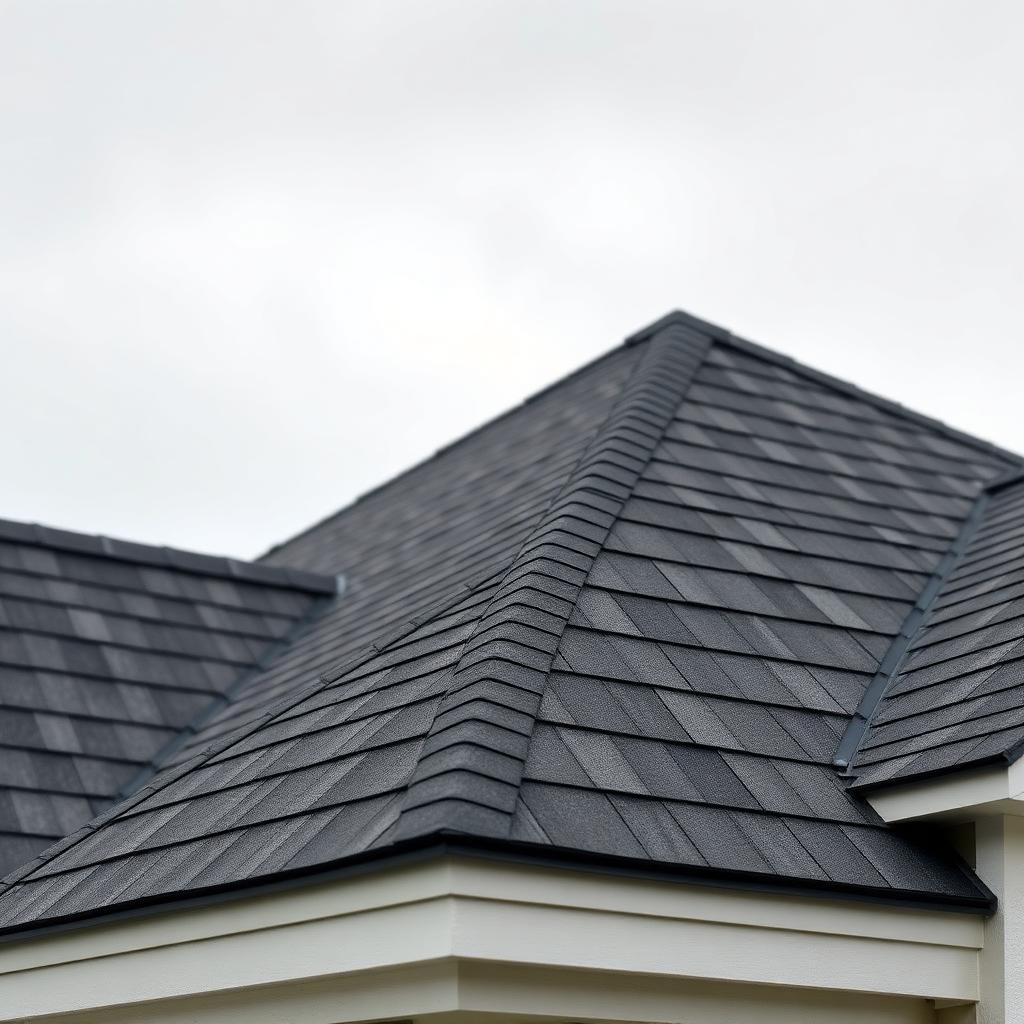
Asphalt Shingle Roofing
The Pacific Northwest workhorse — affordable, proven, 30+ year lifespan.
Learn more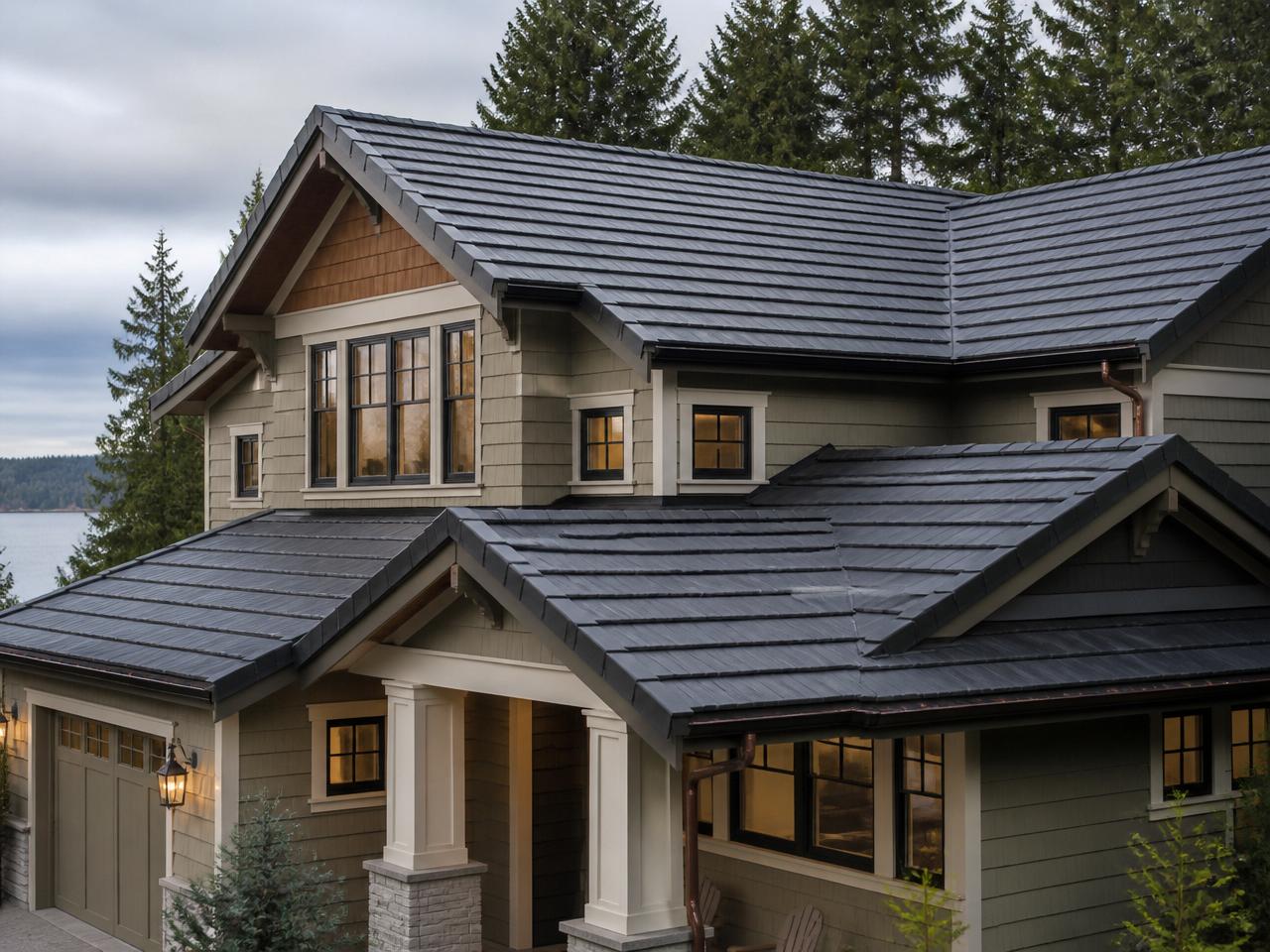
Composite / Synthetic Roofing
The look of slate or cedar — engineered to outlast both, with 50-year warranties.
Learn more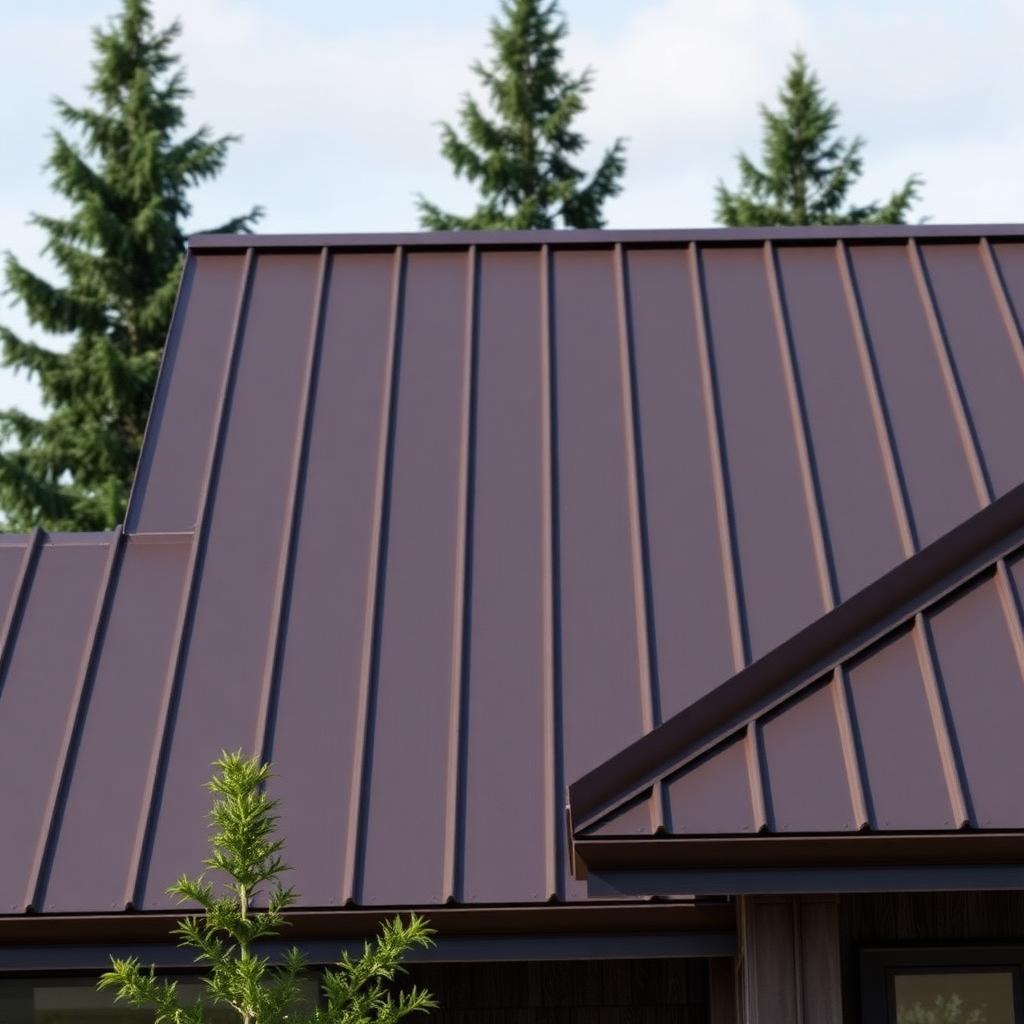
Metal Roofing
Standing seam and metal shingle — 40 to 70+ year lifespan, energy-efficient.
Learn moreReady when you are
Free inspection, honest recommendation, no pressure. That's how we've done it since day one.